Ocean Phoenix Game Guide: Targets, Cost and Budget Control
There is no reliable evidence that Ocean Phoenix is available at KB33. KB33 mentions a broad fishing-game category, but that does not confirm this specific title. This page is therefore not an operator game listing; it is a general guide to controls, targets, attempt costs and budgeting in fish-shooting-style games.
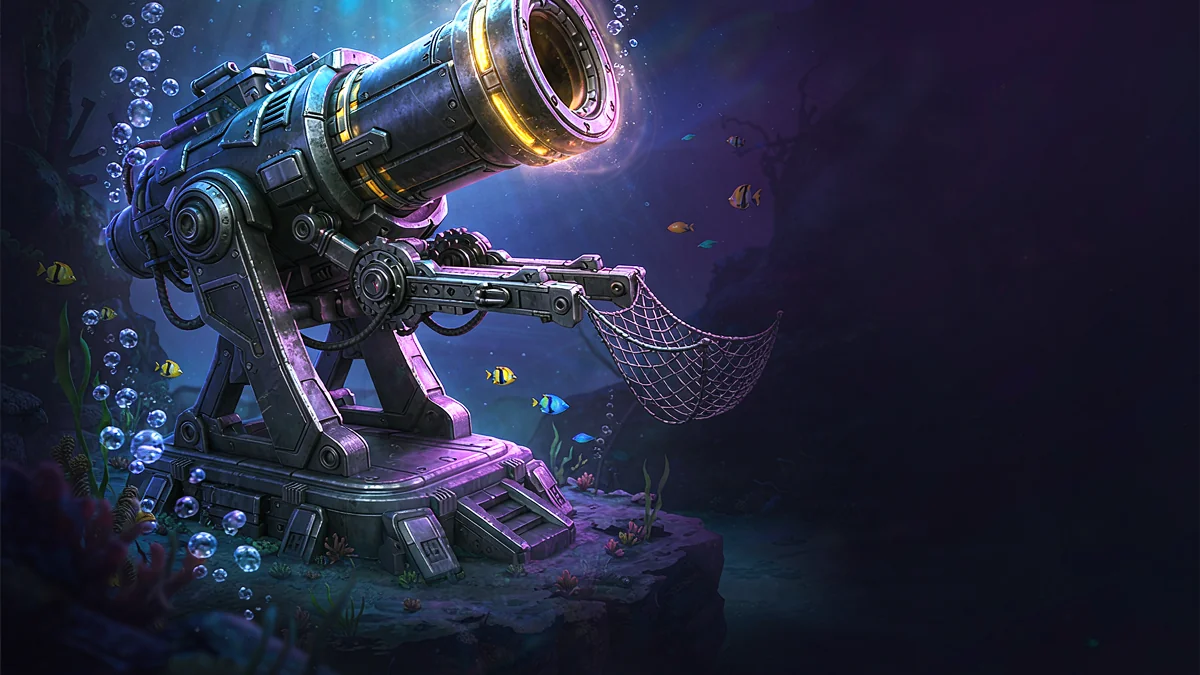
- Verify the title first
- Check rules and costs separately
- Set time and budget limits
A general ocean-themed game illustration, not a verified screenshot of Ocean Phoenix or the KB33 interface.
How to Understand Ocean Phoenix-Style Games
Fish-shooting-style games generally involve moving targets, an aiming device or cannon, and a cost attached to each shot or attempt. However attractive the theme may be, the practical questions are how many attempts a target is consuming and how much those attempts cost in total. A large or rare-looking target does not guarantee a large result.
Before starting, identify each control separately: target switching, shot-strength or stake adjustment, automatic fire and target lock, where available. Do not infer a feature's effect from its name. The in-game help or rules should be the primary reference for costs, outcome determination and any special targets.
A consistent method helps with target selection. Instead of pursuing many targets at once, test one simple approach for a fixed period, record the cost of each attempt and compare it with the outcome. A few successful results should not be treated as a long-term pattern because chance can dominate a small sample.
KB33's Happy Fishing page describes arcade-style cannon targeting and claims different outcomes for smaller, larger and boss fish. That description is specific to Happy Fishing and must not be assumed to define the rules, targets or rewards of Ocean Phoenix.
- Learn the controls first
- Track cost per attempt
- Keep an outcome record
A general illustration of target selection; it does not show the controls or rewards of a specific game.
Pace, Attention and Reading the Screen
Fast-moving targets and dense animation can reduce decision time. As play speeds up, attempts per minute may also rise, allowing a small unit cost to become a substantial total quickly. Track total expenditure from the start of a session rather than watching only the remaining balance.
Autofire or target lock may feel convenient, but they can also create rapid, repeated spending. Before enabling them, understand the cost per attempt, the stop control and what happens when the selected target changes. Keep automated controls off whenever your attention is elsewhere.
To assess a session, record its duration, starting balance, total attempts, total cost and ending balance. This makes it possible to review the whole session instead of focusing on animation or one memorable outcome. No strategy removes the possibility of loss, and previous outcomes do not guarantee the next one.
Do not treat sounds, flashes or special effects as evidence of monetary value. The actual value of an outcome should appear in the balance or result record. If the rules do not clearly explain probability, payouts or costs, avoiding play is more reasonable than making assumptions.

- Use autoplay cautiously
- Measure spend in short sessions
- Pause when tired
A general illustration of pace and attention, not an actual game screen.
Set Time, Money and Stop Limits Before Play
Keep play money separate from essential spending, savings and borrowed funds. Set a maximum spend and session duration before starting, then stop when either limit is reached. Increasing attempt value or extending the session to recover losses raises risk; taking a break and reviewing the record is more effective.
In fishing-style games, consider the cost of each shot and the intended target instead of chasing quick results. KB33 describes cannon-based targeting for Happy Fishing, but there is no confirmation that the same rules apply to Ocean Phoenix. Check the relevant paytable, controls and rules before playing.
Fast animation and repeated shots over a long session can affect decision-making. Take scheduled breaks, record the session cost and stop when the preset limit is reached. Breaks and attempts to recover losses cannot guarantee an outcome, but a firm limit can help prevent impulsive spending.
Do not infer Ocean Phoenix rules from another game’s name, target values or features. Fishing titles can differ in shot cost, target behaviour, multipliers and bonus conditions. Use the specific game’s own information panel as the basis for comparison.

- Set a fixed loss limit
- Stop when time expires
- Never use borrowed money
A general budget-planning illustration, not a screenshot of a KB33 wallet or deposit tool.
A Practical Way to Assess Ocean Phoenix
Treat the first session as an observation exercise. Note where the controls are, how shot value changes, how quickly the balance decreases and whether a result history is available. Do not treat a visual effect as a signal of a certain reward; unless the rules explain it, it may only be an animation.
Write down a total budget, maximum session time and stop point before playing. When every shot deducts from the balance, even small amounts can accumulate quickly. Treat gambling as entertainment rather than income, and never use borrowed money or funds needed for essential expenses.
Afterward, record the actual spend, session duration and any rules that remained unclear. This makes it easier to set a later budget and notice changes in behaviour. If you start ignoring breaks, increasing limits or continuing to recover losses, ending the session is the sensible response.
Checks Before You Play
This information site does not open accounts or operate wallets. Before using any external operator, verify title availability, game rules, shot cost, payment limits and identity-verification terms directly. KB33 mentions a broad fishing category, but there is no evidence that Ocean Phoenix is available there.
Related Game Guides
Quick Assessment
| What to Check | Ocean Phoenix Guide |
|---|---|
| Theme and interface | Ocean-themed fishing-game design |
| Play style | Target selection and controlled shots |
| Suitable for | Readers learning about target-based arcade games |
| Status at KB33 | Ocean Phoenix availability is unconfirmed |
Understanding the theme and interface
There is no direct evidence that Ocean Phoenix is available at KB33. This guide explains how to read targets, shot strength, moving objects and result information in ocean-themed fishing games generally.
Target selection and cost control
Check the potential cost of each shot, track the cumulative cost of repeatedly pursuing one target, and do not treat a large visible target as a guaranteed reward.
Budget and session records
Set a fixed budget and time limit before playing. Recording the opening and closing balance, total shots and outcome makes rapid spending easier to identify; do not increase the budget to recover losses.
